
Bagatelle 6 min · Password required
Four Seven One One
In the good old days it was easy to get in everywhere. All you had to do was read the marks on the keypad and guess the movement. Like at my grandmother and grandfather’s, where…

I was assigned to write the text because I was considered the one among us who could handle the craft, a matter of linguistic talent, an ability to round off sentences, begin them, tie an argument together, but apparently I didn’t know the deceased.
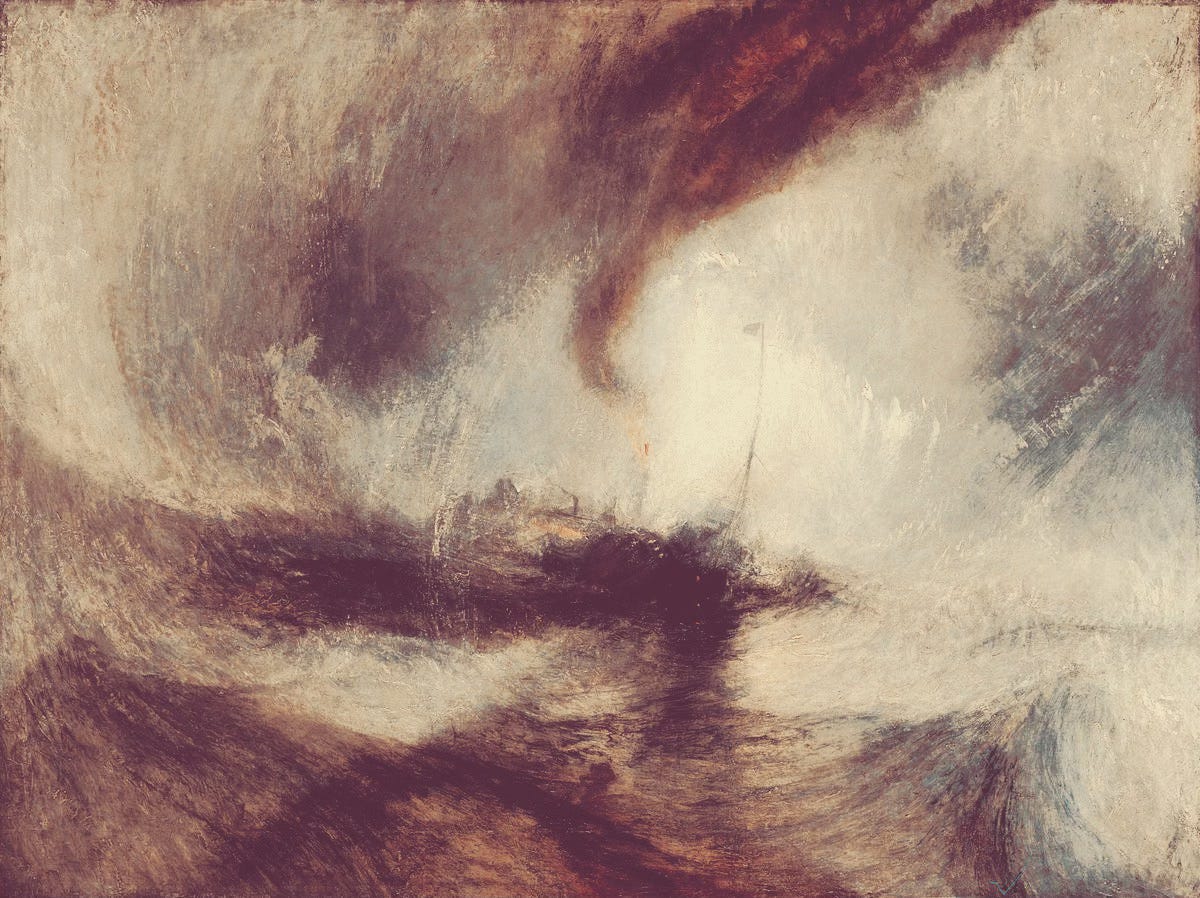
Outside the window snow came tumbling down, creating a cloudscape out of the street. Woolly outlines of outlines, rather like my mother: a very private woman, who rarely shared even the faintest hint of an inner life, instead she had to be interpreted through what she considered shameful: carnality, deceit, idleness. Often via sharp remarks about some TV personality displaying such sins, but I couldn’t write that, it lacked finesse and would be indecent.
Bear in mind that my grief at this time was still deep and brutal, where I had just fallen between Saturdays and Tuesdays, the twenties and the fifties, Midsummers and apple picking, school graduations and christenings. All at once.
For this assignment, however, I needed to loosen grief’s grip a little, become clinical like a surgeon of language: for everyone’s sake, my own included. I knew at least this much about the nature of the obituary, that a skilfully written piece of that kind requires flesh and warmth, a scene that briefly flares up in the reader’s mind. Many think it suffices with a list of workplaces and positions in business, with an addendum about some hobby: boules, matchstick boxes. When in fact it is about bringing a soul to life with a few words, a kind of highly compressed poetry, a sorely undervalued art. For decades I had held opinions about the work of obituary writers but never reflected on how it would be to be set to write the text myself, in shock, unprepared, with wet cheeks, unable to ask the deceased for details or perhaps also for permission: do I have your blessing, Mum?
At least I could call my sister, not expecting any answers but seeking support. I asked the questions that should have been put to our mother: What did she burn for? When was she most alive? My sister’s voice grew murky with sorrow: I don’t know, she said. Who would know? I asked. Because it is neither you nor me. She waited a while before answering, so long that I had to check if the call was still connected, and the seconds did indeed keep ticking. You should ask Lisa, she said. Lisa? I asked. My sister said: Don’t you remember, in middle school? A face slowly came into focus, still a little blurred like a child’s memory of the adult world, but I could see her: Mum’s friend from back then. I think they quarrelled, since they stopped meeting, but they spent time together almost every day for a period while we were in school, only that it was so long ago. Do you remember her surname? I asked. No, but you have the address, she said.
That was the truth with some modifications; I knew roughly which block she lived in back in 1976, but perhaps she still lived there. People rarely move after forty, and she would have been about that age at the time, wouldn’t she? I thanked her for the tip with a sigh, hoping to earn sympathy for my ever more pitiful hope of finding a structure for grief, but none came. She seemed a little too untroubled to me, like an eternal younger sibling, still not grasping the full scope of death. The obituary still needed to be written and I wanted to deliver a worthy, luminous story, so I looked up the address and found a Lisa of an age that might match, called her, thought that if I waited I might refrain.
Hello? she answered. I described my errand over several minutes, since I found it disgraceful that I had to do this, when everything was too late, but that I truly wanted to know what I never asked, and now perhaps there was a chance. That has happened to me, she said. Has it? Yes, there are many things I would have liked to ask my parents too, but it’s too late for me as well. Can you help? I asked. Both yes and no, she said. In what way no? Her answer fell with almost a plummeting tone, like a line dropped from hope to something entirely different: I am sadly not the person you are looking for, but I do know a thing or two about writing obituaries, I used to proofread them for the news agency, have probably skimmed several thousand fates, so I know what works and what doesn’t.
I peered out through the window again. Snowdrifts covered half the pane and blocked almost all view, as if I were snowed in. Well then, I said, so how do you write when you don’t know the deceased, in a situation where you are the deceased’s closest relative? You write about a beautiful memory, Lisa said. One only the two of you shared, and which no one can dispute. While the conversation with the unknown Lisa went on, I felt a dark insight creep up, how she too would one day be the subject of an obituary, and under favourable conditions so would I. Someone would need to figure me out more or less in this way, since I too had spoken to no one about my inner life. Everything would remain untold, like an invisible parenthesis. Perhaps that was how we did it in our family.
When I turned towards the street it had vanished. The snow concealed the window. Total silence from outside. My room seemed cut off from everything else and everyone else. I let my eyes roam over my text and noticed how someone had written my own name instead of Mum’s. All the dates, all the relatives, all the anecdotes: everything concerned my slight time as a living being. My fingers dissolved as they met the keys, soon to disappear. I could no longer sense either heartbeat or breath. Only the gaze remained.
In the good old days it was easy to get in everywhere. All you had to do was read the marks on the keypad and guess the movement. Like at my grandmother and grandfather’s, where…
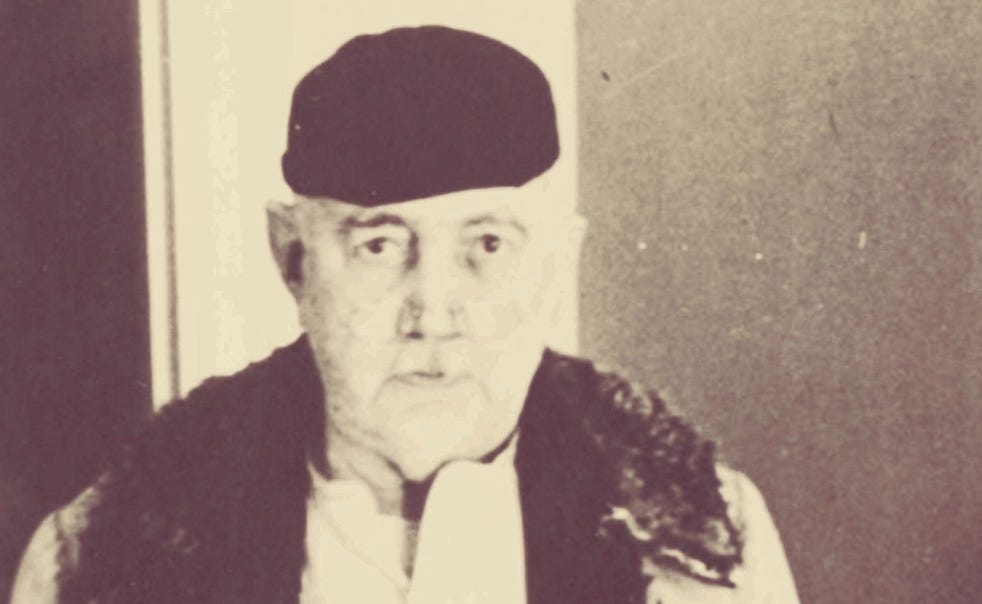
At St Lars Psychiatric Hospital in Lund, between 1909 and 1944, a baron named Eric Hermelin sat and translated Persian poetry. He had lived a drifting life, in service of everyone…
Picasso claimed that true creativity is caused by mistakes, in order to mislead the conscious mind. Cocteau, for his part, claimed that a poet does not innovate, but listens. And…