Essay 10 min
93 notes to myself
You are at a party, you know no one, but intend to change that. Or you are new to the job market, without yet knowing what you want to do. Or you start an English-language…

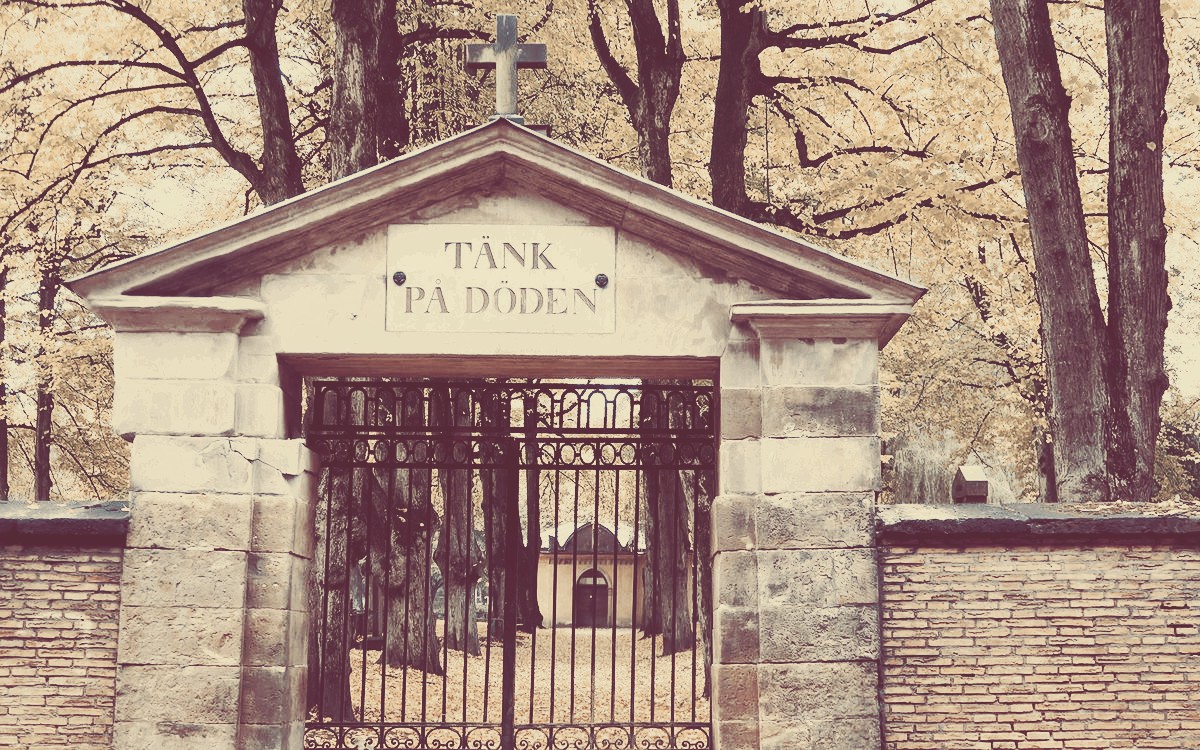
Memento mori, remember that you must die, the Romans urged, though not to be taken literally. What we are called to reflect on is our mortality, and with it, how we choose to spend our lives.
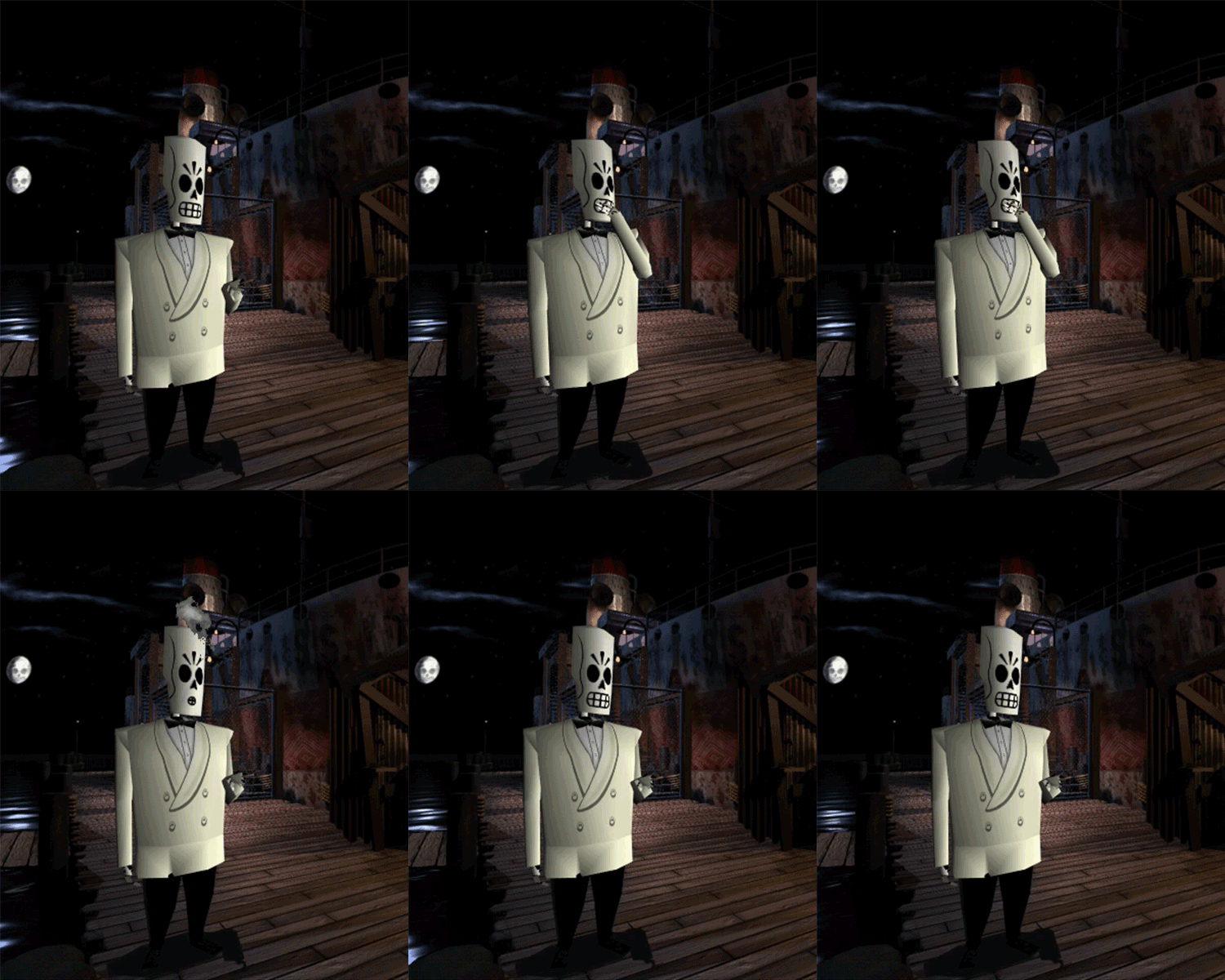
Over the past few weeks, I've been replaying Grim Fandango, where Manny Calavera works as a travel agent in the Land of the Dead, a place that exists between life and the afterlife. A classic case of limbo, in other words. And Manny isn’t too happy with his lot, as he keeps getting the worst clients. Those who, at best, are given a walking stick and an ¡Hasta luego!
This game has remained one of my most immersive storytelling experiences ever since Christmas 1998. Tim Schafer’s tale flirts with films like Casablanca and The Third Man, carries echoes of Buddhism, and draws deeply on the Mexican holiday Día de los Muertos. All the while, the most atmospheric jazz, composed by Peter McConnell, drifts through the background. A complete world to step into.
The feeling throughout: life is worth living, even in a state of limbo. Or in Manny’s words: “Nobody knows what’s gonna happen at the end of the line, so you might as well enjoy the trip.”
Welcome away ꩜
Jörgen Löwenfeldt
To receive new posts and support my work, consider becoming a free or paid subscriber.

I was assigned to write the text because I was considered the one among us who could handle the craft, a matter of linguistic talent, an ability to round off sentences, begin them, tie an argument together, but apparently I didn’t know the deceased.
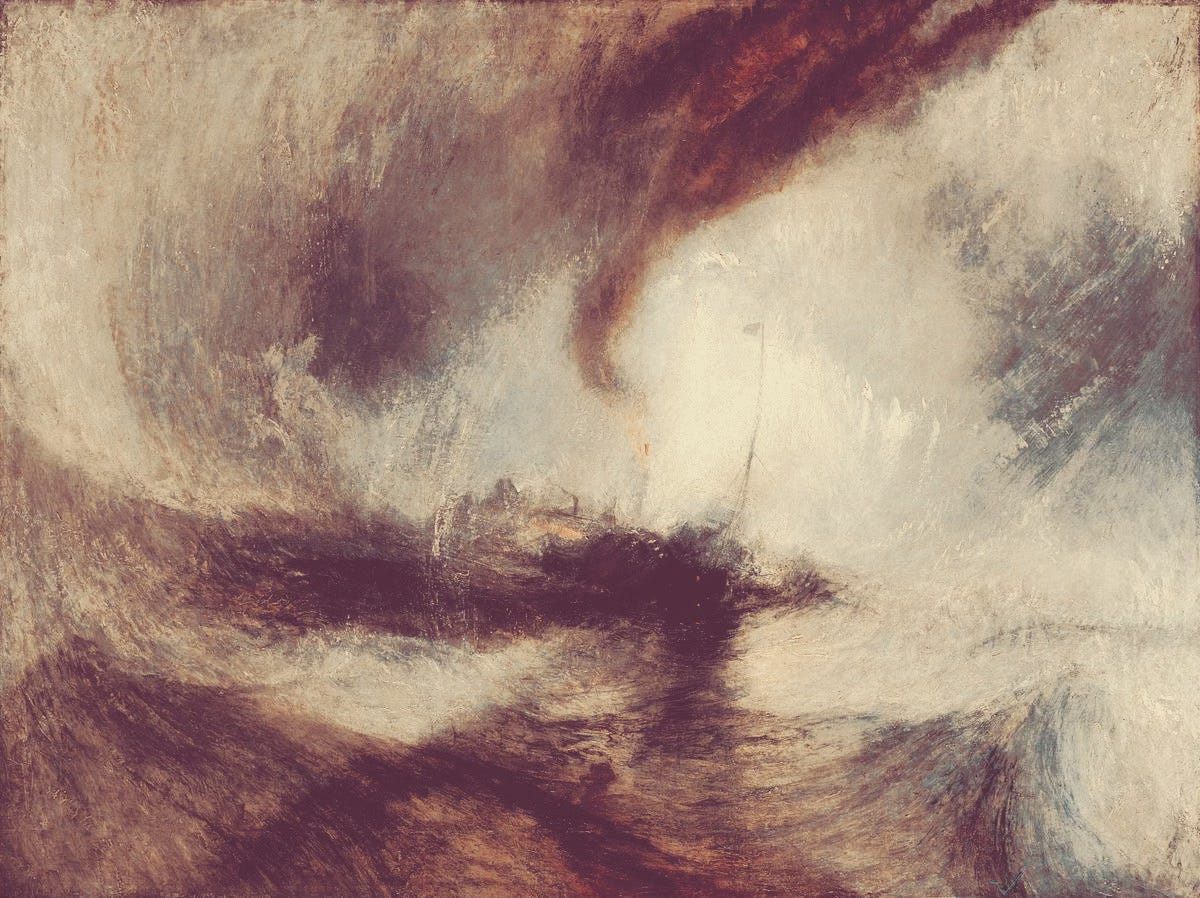
Outside the window snow came tumbling down, creating a cloudscape out of the street. Woolly outlines of outlines, rather like my mother: a very private woman, who rarely shared even the faintest hint of an inner life, instead she had to be interpreted through what she considered shameful: carnality, deceit, idleness. Often via sharp remarks about some TV personality displaying such sins, but I couldn’t write that, it lacked finesse and would be indecent.
Bear in mind that my grief at this time was still deep and brutal, where I had just fallen between Saturdays and Tuesdays, the twenties and the fifties, Midsummers and apple picking, school graduations and christenings. All at once.
For this assignment, however, I needed to loosen grief’s grip a little, become clinical like a surgeon of language: for everyone’s sake, my own included. I knew at least this much about the nature of the obituary, that a skilfully written piece of that kind requires flesh and warmth, a scene that briefly flares up in the reader’s mind. Many think it suffices with a list of workplaces and positions in business, with an addendum about some hobby: boules, matchstick boxes. When in fact it is about bringing a soul to life with a few words, a kind of highly compressed poetry, a sorely undervalued art. For decades I had held opinions about the work of obituary writers but never reflected on how it would be to be set to write the text myself, in shock, unprepared, with wet cheeks, unable to ask the deceased for details or perhaps also for permission: do I have your blessing, Mum?
At least I could call my sister, not expecting any answers but seeking support. I asked the questions that should have been put to our mother: What did she burn for? When was she most alive? My sister’s voice grew murky with sorrow: I don’t know, she said. Who would know? I asked. Because it is neither you nor me. She waited a while before answering, so long that I had to check if the call was still connected, and the seconds did indeed keep ticking. You should ask Lisa, she said. Lisa? I asked. My sister said: Don’t you remember, in middle school? A face slowly came into focus, still a little blurred like a child’s memory of the adult world, but I could see her: Mum’s friend from back then. I think they quarrelled, since they stopped meeting, but they spent time together almost every day for a period while we were in school, only that it was so long ago. Do you remember her surname? I asked. No, but you have the address, she said.
That was the truth with some modifications; I knew roughly which block she lived in back in 1976, but perhaps she still lived there. People rarely move after forty, and she would have been about that age at the time, wouldn’t she? I thanked her for the tip with a sigh, hoping to earn sympathy for my ever more pitiful hope of finding a structure for grief, but none came. She seemed a little too untroubled to me, like an eternal younger sibling, still not grasping the full scope of death. The obituary still needed to be written and I wanted to deliver a worthy, luminous story, so I looked up the address and found a Lisa of an age that might match, called her, thought that if I waited I might refrain.
Hello? she answered. I described my errand over several minutes, since I found it disgraceful that I had to do this, when everything was too late, but that I truly wanted to know what I never asked, and now perhaps there was a chance. That has happened to me, she said. Has it? Yes, there are many things I would have liked to ask my parents too, but it’s too late for me as well. Can you help? I asked. Both yes and no, she said. In what way no? Her answer fell with almost a plummeting tone, like a line dropped from hope to something entirely different: I am sadly not the person you are looking for, but I do know a thing or two about writing obituaries, I used to proofread them for the news agency, have probably skimmed several thousand fates, so I know what works and what doesn’t.
I peered out through the window again. Snowdrifts covered half the pane and blocked almost all view, as if I were snowed in. Well then, I said, so how do you write when you don’t know the deceased, in a situation where you are the deceased’s closest relative? You write about a beautiful memory, Lisa said. One only the two of you shared, and which no one can dispute. While the conversation with the unknown Lisa went on, I felt a dark insight creep up, how she too would one day be the subject of an obituary, and under favourable conditions so would I. Someone would need to figure me out more or less in this way, since I too had spoken to no one about my inner life. Everything would remain untold, like an invisible parenthesis. Perhaps that was how we did it in our family.
When I turned towards the street it had vanished. The snow concealed the window. Total silence from outside. My room seemed cut off from everything else and everyone else. I let my eyes roam over my text and noticed how someone had written my own name instead of Mum’s. All the dates, all the relatives, all the anecdotes: everything concerned my slight time as a living being. My fingers dissolved as they met the keys, soon to disappear. I could no longer sense either heartbeat or breath. Only the gaze remained.
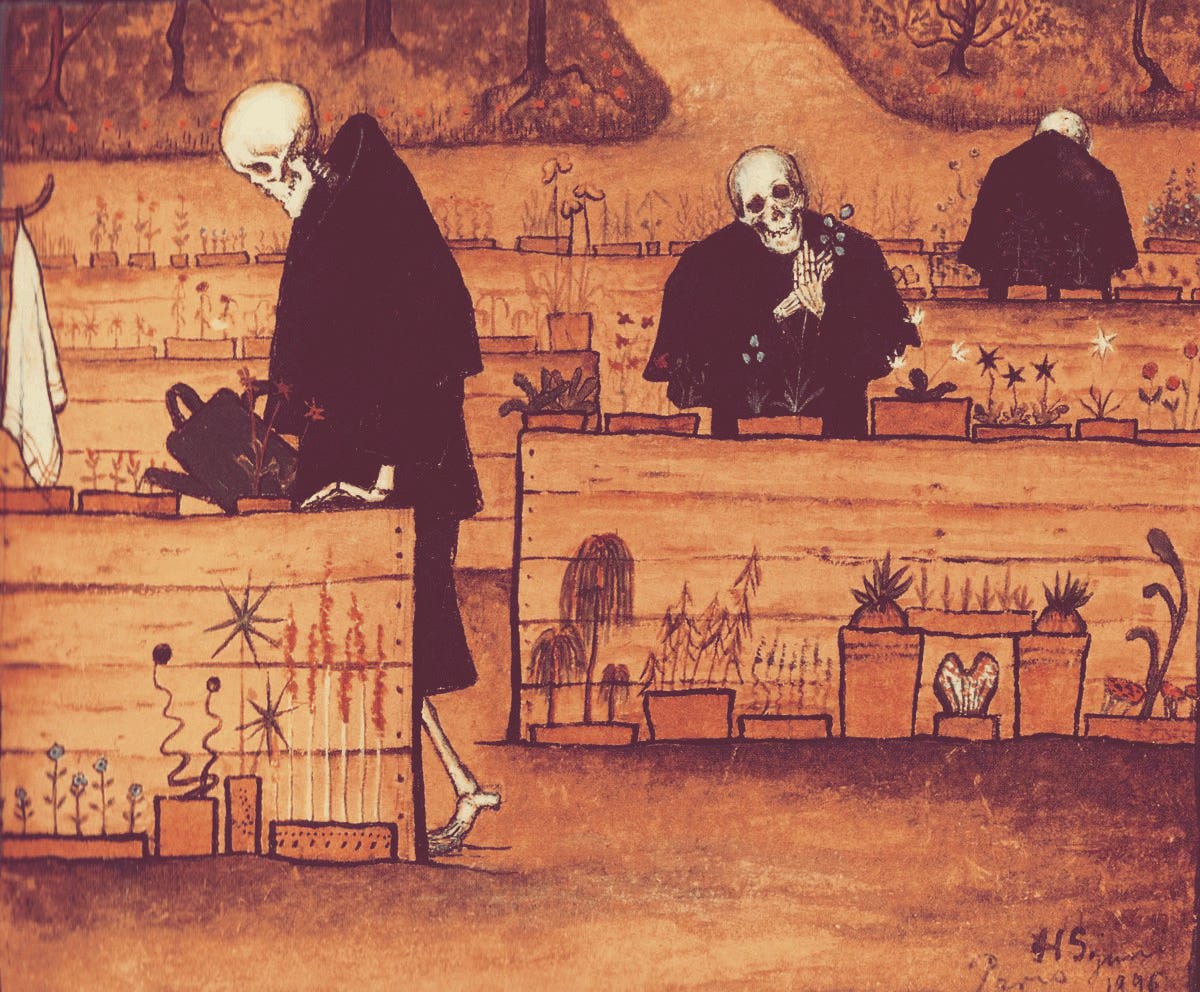
So, the cloister. At last she was able to shrug off her body. The monk placed the flesh-suit on a hanger and slipped it into a pocket among some others, before the trolley was rolled away.
Clad only in soul she was given a catalogue to leaf through. A register of millions of faces paired with short descriptions of talents and quirks.
The choice was made quickly, on instinct. It fell on a seven-year-old boy from Sudan, rather short for his age, with ivory-white eyes and black pupils. He stood out from the rest because he had been granted a heavenly voice. A realm of pianissimo, according to the catalogue.
She woke as him. At once they ran a hand over the bristly hair, then tested the vocal cords. First with a rasp and a brief hail, then a song in the language they both commanded. The words loosened from the joints of language. Everything mere resonance and hum and trembling.
They laughed at the self-evidence of the new identity. This was good, better than expected, excellent even. They turned to the high priest and asked: May we keep each other? He rumbled with amusement and replied: Your lesson has begun. Off you go now.

She was a girl at a party, sitting on the sofa when a gap appeared on another cushion, so you sat down next to her to rest your legs, and then of course you had to talk about something, since that’s how parties work, otherwise you could have stayed at home.
You said something about the flat, that it was nice, bright, that you appreciated the corner windows spanning two directions. She held her mulled-wine mug in both hands and took a sip while you spoke, then told you it was even a little brighter one floor up, in her flat. Everything was actually a bit better on the next floor, the view stretched over the rooftops, she experienced a different freedom there, here it was more claustrophobic, but such things were relative, depending on what you were used to, she pointed out.
You, living on the ground floor of your housing estate, insisted that the space here was delightful and exclusive too, but apparently it was not like the floor above, quite different in fact, almost that you ought to drop by and experience the difference. Besides, they had furnished the rooms a bit more cleverly, and the kitchen was new.
She had to move. A child needed feeding, and you felt on the sofa that the conversation had left behind a bitter aftertaste, and then you thought no more about it until the girl at the party was mentioned a few months later because she had unexpectedly died of cancer, an incurable aggressive kind that quickly drained her of life.
The thirty-year-old widower had wandered alone with pram and baby in the stairwell, and your mutual friend decided to move, since the daily reminders of the tragedy became unbearable. She sobbed as she told it.
For you the girl remained as a conversation only you could now recall, and so you kept it to yourself, like a tightly bound riddle. A first impression that became the last.
¡Hasta luego!
– Jörgen Löwenfeldt ✦ jorgenlowenfeldt.se
This dispatch was sent to 891 readers. If my writing resonated with you, consider sharing it with a friend who might feel the same, or leaving a comment.
A warm thank you to the 13 sponsors of The Bagatelles. Your belief in my work keeps me going, and as a paid subscriber you have access to all content, including my literary diary, the novel Zenopolis and all chapters of Naïveté Travels.
To receive new posts and support my work, consider becoming a free or paid subscriber.
Maybe you'd appreciate this:
You are at a party, you know no one, but intend to change that. Or you are new to the job market, without yet knowing what you want to do. Or you start an English-language…