
Bagatelle 3 min
Hermelin’s Insight
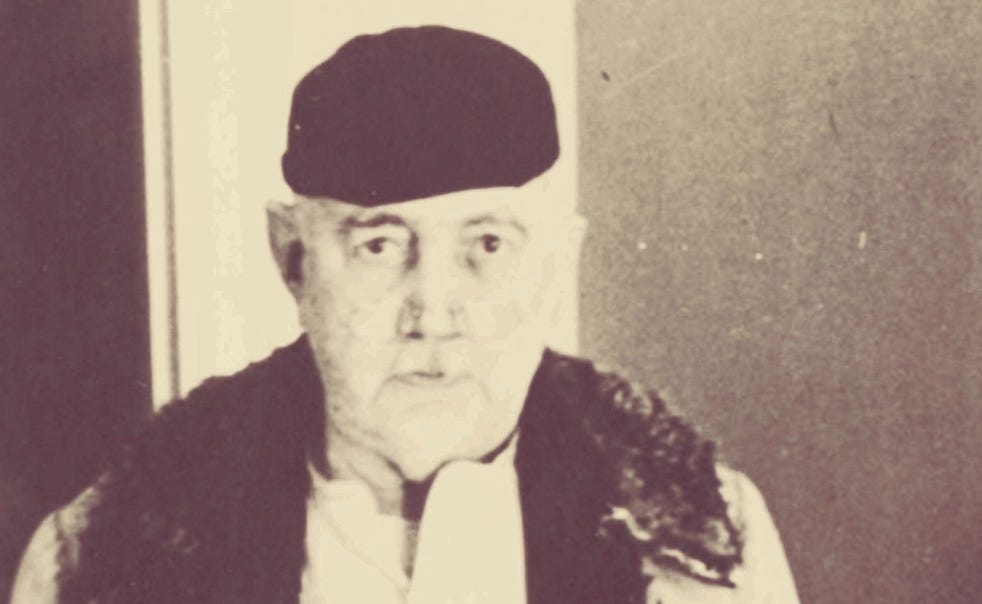
At St Lars Psychiatric Hospital in Lund, between 1909 and 1944, a baron named Eric Hermelin sat and translated Persian poetry. He had lived a drifting life, in service of everyone…

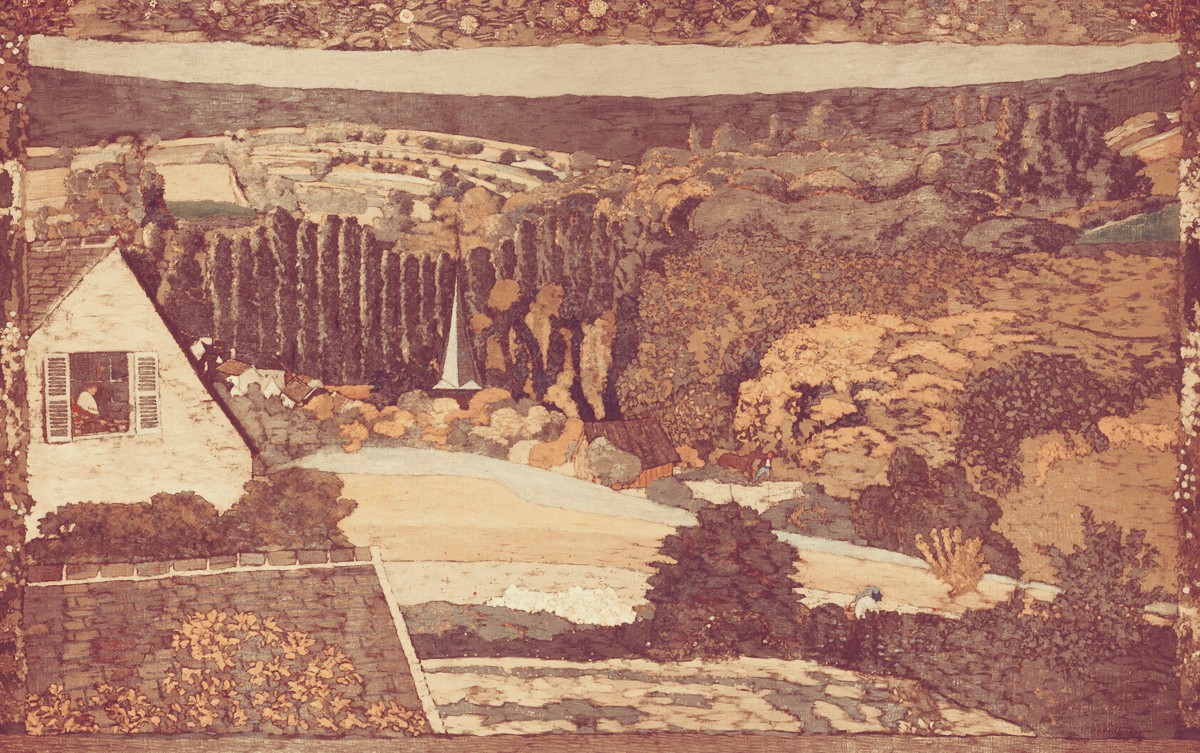
The story doesn’t really begin. It continues, like everything else, hooking onto something already there and pulling away in a direction. But whatever came before doesn’t concern this particular tale, which begins at an end: the barn by the country road, where he died and left everything behind for the relatives to clean up.
Now they pull into the driveway, the gravel going quiet beneath the tires as the engine is turned off. The dumpsters will come later, for now, they’re just here to look and go through “the flea market,” as they call their father’s hoarding habit. He saved everything: receipts, passport photos, dressers, weekly flyers from the local grocery store. Not because it might come in handy someday, but because it hurt to throw things away and felt good to hold on to them, as if each item made him a little more real, even important. Yes, for lack of anything else. After all, he lived out here, far from them and from his past. It’s too late now to know what went through his mind as he wandered among the clutter, day after day, even the bathtub filled with clay pots and spindle-back chairs. All that remains is the place, which his children now wade through, trying to make sense of the hours they’ve spent on work, decorating, and scrolling through friends’ vacation photos. He always seemed a bit put out when they called, they say in their own defence, so it felt intrusive — something to do only when there was a proper reason, like a holiday or something, but not spontaneously. He didn’t like that sort of thing, did he?
A damp, musty smell rises from every room. Every object seems on the verge of turning to mulch and is well on its way. “Should we be more thorough, maybe take some more time?” the daughter asks. “No, we can’t,” says the son. “We have to throw it all out, none of us has room at home.” And so they roll up their sleeves and get to work, lifting dressers and dried plants together, bundles of rotting newspaper ads and Tuborg bottles from the eighties. After a few hours, they can make out patches of the floor beneath, stained and uneven. As if to underline, one last time, that a man once lived here who gave up. “Why didn’t he ever say anything about this?” the daughter asks. “We knew,” the son says. “Don’t be silly.” He starts tackling the stacks of phone books.
They spend the night upstairs, which they cleared out first, unrolling sleeping bags and mats like when they were kids and the house was a summer cottage, before he sold the apartment and barricaded himself in here. That scent of damp timber was there then too. It only takes one breath of it to remember other days — when everyone was young and the biggest problem in the world was how concentrated the juice should be before taking the cart down to the beach. Or the time the neighbour’s son cut his finger to the tendon. Or when lightning struck the roof and they had to live by candlelight for a week. The memories settle over them like dominoes before they finally fall asleep, to the whispering of birch trees brushing against the house.
The next day they wake at the same time, aching in every joint, with coffee in a thermos and a few sandwiches to eat on the stumps by the driveway. When they step out of the room, they have to squint several times. The junk is gone. They haven’t cleared out here, have they? And they definitely haven’t mopped the floor or polished the windows. The hallway to the galley kitchen is just as bare and tidy, the stairs down to the living room free of garden gnomes, the kitchen empty of pots and wine glasses, the basement storage cleared of broken-down mopeds. Even the bathtub is clean and gleaming. A secret benefactor has taken care of everything. The objects gathered over decades now lie in the dumpsters, teleported there, neatly arranged as if by a meticulous archivist.
“Are you kidding me?” the son asks, poking through the pile with a stick, trying to make sense of what’s happened. “No, I don’t know either,” the daughter says. “This is insane,” says the son. “I don’t know whether to feel relieved or creeped out,” the daughter says.
They have four more days set aside for work, but no work left to do. They sit on the porch, take each other’s hands, as if the warmth of skin might anchor them in physical reality. “Maybe we should go to the store and pick up a few things?” the daughter says. “There’s nothing in the cupboards.” The son replies, “Don’t we need a bit more time to process this? I feel completely dizzy.” He scrunches up his face like he’s just tasted something bitter. The daughter smiles and then starts to laugh. When she stops, she says, “You’ve always been so damn logical. Let’s get some coffee and then ride our bikes down to the beach and think happy thoughts about Dad.” “Okay,” the son says. “Sounds like a plan.”
At St Lars Psychiatric Hospital in Lund, between 1909 and 1944, a baron named Eric Hermelin sat and translated Persian poetry. He had lived a drifting life, in service of everyone…

Let us say you have become someone’s parent, perhaps imagining that it would be cosy to become one of those blissfully meandering couples with a sleeping little creature in a…
Picasso claimed that true creativity is caused by mistakes, in order to mislead the conscious mind. Cocteau, for his part, claimed that a poet does not innovate, but listens. And…